Most mobile games die within 30 days of launch. Not because they are bad games. Because nobody is running them. Live operations, or live ops, is the discipline of keeping a game alive and growing after it ships. It is the difference between a product and a service. And in 2026, it is not optional for any game that wants to survive.
What Live Ops Actually Means
Live ops covers everything that happens to a game after launch day:
- Content updates. New levels, characters, maps, storylines, or game modes released on a schedule to give players a reason to come back.
- Events. Time-limited challenges, tournaments, seasonal themes, and collaborative events that create urgency and drive engagement spikes.
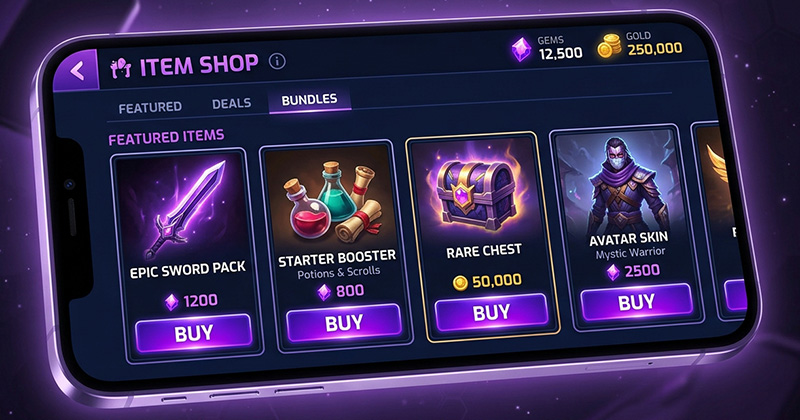
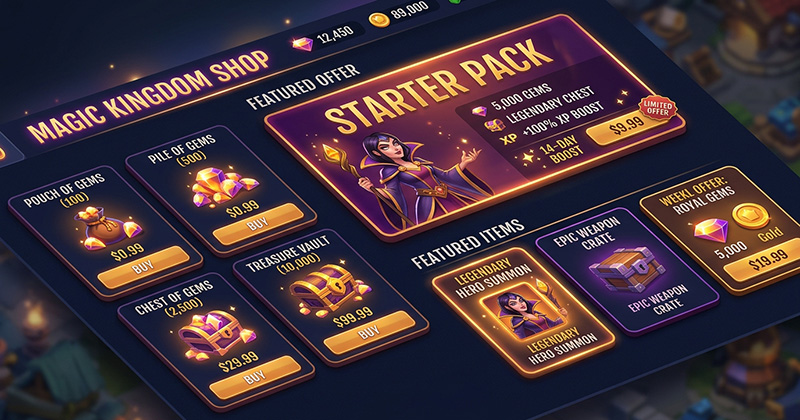
- Offers and promotions. Targeted bundles, discounts, and first-purchase incentives that convert players who have not yet spent into paying users.
- Balance and economy tuning. Adjusting drop rates, difficulty curves, and reward structures based on how players are actually behaving, not how you assumed they would.
- Communication. Push notifications, in-game messages, and social content that bring lapsed players back and keep active ones engaged.
None of this is passive. It requires a team that is watching the data, making decisions quickly, and executing on a content calendar every week.
The Retention Numbers That Matter
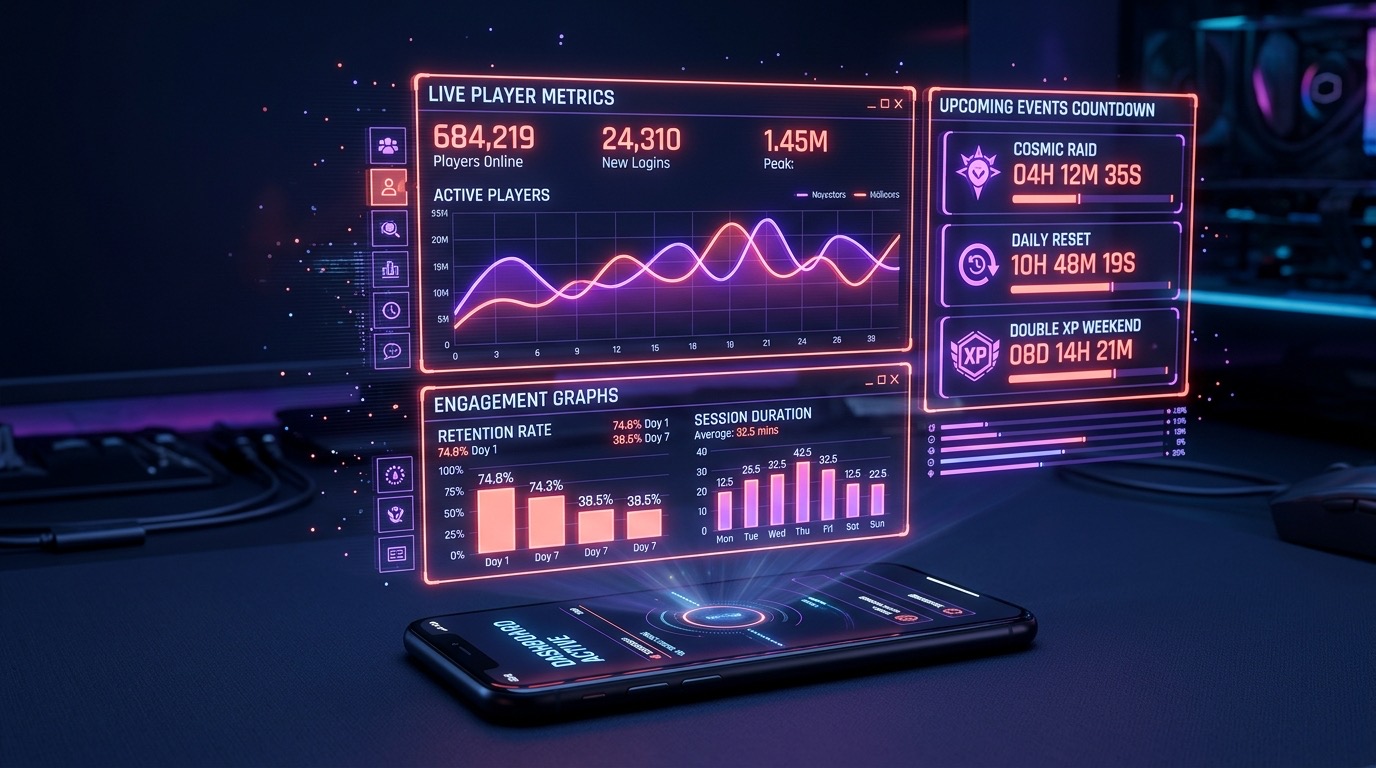
Day 1: Above 40% is good, above 50% is very good. Day 7: Above 20% is the benchmark most publishers look for. Day 30: Above 10% puts you in a strong position for live service sustainability. Live ops addresses the middle and late game. It cannot fix a broken day 1.
What the Best Games Do Differently
They run on a content calendar, not a reaction loop. The studios with the strongest live ops plan their events three to four months ahead. They know what is launching when, what assets need to be ready, and what they are testing. Reactive live ops is exhausting and inconsistent.
They segment their players. Not every player should get the same offer or the same push notification. High spenders, lapsed players, and brand new users all respond to different things. Games that treat their player base as one audience leave money and retention on the table.
They test everything. Which event format drives more engagement? Which offer converts better? Which notification copy gets opened? The data decides, not gut feel.
They move fast. When something is not working, the studios that win identify it within days and change it, not weeks. This requires short decision-making cycles and a team with the authority to act.
Common Live Ops Mistakes
- Launching without a live ops plan. Studios spend everything on building the game and nothing on running it. By the time they realise they need a live ops strategy, the player base has already left.
- Events that do not connect to the core loop. A seasonal theme that just changes visuals does not drive engagement. Events need to give players something genuinely new to do.
- Ignoring lapsed players. Win-back campaigns targeting players who have not opened the game in 14 or 30 days can be remarkably effective. Most studios focus only on active users.
- No economy monitoring. If your in-game economy is off, players will feel it before the data shows it. Catching economy drift early requires someone watching the numbers every day.
Do You Need a Full Live Ops Team?
It depends on scale. At launch, a small game can be run by one or two people focused on content scheduling, community, and data monitoring. As your player base grows and your event calendar gets more complex, you will need more.
We run live ops for mobile games at Nine Pixels. If you want to talk through what a live ops setup would look like for your game, get in touch.